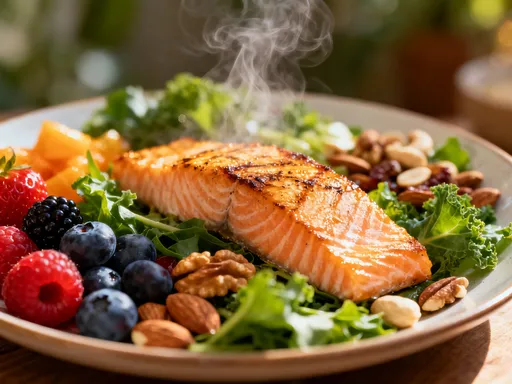
What If Your Plate Could Turn Back Time?
What if aging wasn’t just about years, but about choices—especially what’s on your plate? Science now shows that certain foods don’t just fuel the body; they actively slow cellular aging. I’ve tested this shift myself, and the changes—more energy, clearer skin, better sleep—were noticeable within weeks. This isn’t about extreme diets or magic fixes. It’s about a sustainable, science-backed way of eating that supports longevity from the inside out. Let’s explore how your diet can become your most powerful anti-aging tool.
The Hidden Link Between Food and Aging
At the heart of aging lies a quiet, continuous process happening at the cellular level—one that food either supports or undermines. While time moves forward, the rate at which our bodies age is not fixed. Emerging research in the field of nutritional science reveals that diet plays a pivotal role in determining how quickly our cells deteriorate. Two primary biological processes—oxidative stress and chronic inflammation—are now recognized as major drivers of aging. Oxidative stress occurs when unstable molecules called free radicals outnumber the body’s natural defenses, damaging DNA, proteins, and cell membranes over time. This damage accumulates, contributing to wrinkles, cognitive decline, and weakened immunity.
Inflammation, while essential for healing in the short term, becomes harmful when it persists. A diet high in processed foods, sugars, and unhealthy fats can keep the body in a constant low-grade inflammatory state, accelerating tissue damage and increasing the risk of age-related conditions such as arthritis, heart disease, and metabolic dysfunction. The connection between what we eat and how we age is further underscored by the health of our telomeres—protective caps at the ends of our chromosomes that shorten with each cell division. Shorter telomeres are associated with biological aging, and studies have shown that people who consume a diet rich in antioxidants and healthy fats tend to have longer telomeres than those who rely on refined and processed foods.
Real-life examples further illustrate this invisible yet powerful link. Consider two women of the same chronological age: one regularly eats meals centered around whole grains, vegetables, and healthy fats, while the other relies on fast food, sugary snacks, and diet beverages. Over time, the first woman is likely to experience more stable energy, better skin elasticity, and sharper mental clarity—signs of slower biological aging. The second may notice fatigue, joint stiffness, and weight gain around the midsection, all indicators of accelerated aging. These differences are not merely cosmetic; they reflect internal cellular health shaped significantly by food choices.
Why Traditional Diets Fall Short
For decades, popular diet trends have promised weight loss and improved health, yet many fall short when it comes to supporting long-term vitality and slowing aging. One of the most persistent misconceptions has been the low-fat movement, which led many to replace natural fats with refined carbohydrates and sugar-laden alternatives. While intended to reduce heart disease risk, this shift often backfired. High intake of refined carbs—such as white bread, sugary cereals, and fat-free flavored yogurts—causes rapid spikes in blood sugar, leading to insulin resistance over time. This metabolic imbalance is closely linked to accelerated aging and increased risk of type 2 diabetes and cognitive decline.
Another common pitfall is the reliance on processed foods marketed as “healthy.” Many products labeled as low-fat, gluten-free, or diet-friendly are loaded with hidden sugars, artificial additives, and industrial seed oils such as soybean and corn oil. These oils are high in omega-6 fatty acids, which, when consumed in excess, promote inflammation—a key factor in aging. Despite their health halo, these foods often lack essential nutrients and fiber, leaving the body undernourished even when calorie intake is sufficient. A study published in the journal BMJ found that individuals who consumed more ultra-processed foods had shorter telomeres, suggesting a direct link between processed food intake and cellular aging.
Additionally, many traditional diets focus narrowly on calorie restriction without considering nutrient quality. While reducing calories may lead to short-term weight loss, it can also result in muscle loss, slowed metabolism, and nutrient deficiencies—outcomes that undermine longevity. Sustainable anti-aging nutrition is not about eating less; it’s about eating better. The goal is not to follow a rigid set of rules or eliminate entire food groups, but to build a diet that nourishes the body at the cellular level. This means prioritizing foods that reduce oxidative stress, lower inflammation, and support metabolic health—elements often missing from conventional diet plans.
The Core Principles of an Anti-Aging Diet
An effective anti-aging diet is built on three foundational principles: whole foods, balanced macronutrients, and nutrient density. These are not trendy buzzwords but scientifically supported strategies for maintaining cellular health and promoting longevity. Whole foods—those that are minimally processed and as close to their natural state as possible—form the backbone of this approach. Fruits, vegetables, legumes, whole grains, nuts, seeds, and high-quality proteins provide a broad spectrum of vitamins, minerals, and bioactive compounds that work synergistically to protect the body.
Balanced macronutrients ensure that the body receives adequate amounts of carbohydrates, proteins, and fats in proportions that support metabolic stability. Unlike extreme diets that demonize carbs or fats, an anti-aging approach recognizes that each macronutrient has a vital role. Complex carbohydrates from sources like sweet potatoes and oats provide sustained energy and fiber, which supports gut health—a growing area of research linked to immune function and inflammation control. High-quality proteins from fish, poultry, beans, and lentils supply amino acids necessary for tissue repair and muscle maintenance, both of which decline with age.
Healthy fats, particularly those rich in omega-3 fatty acids and monounsaturated fats, are essential for brain health, hormone production, and reducing inflammation. Nutrient density—the amount of vitamins, minerals, and antioxidants per calorie—is perhaps the most critical factor. Foods like spinach, blueberries, and salmon pack a powerful nutritional punch without excess calories. By focusing on nutrient-dense choices, individuals can meet their body’s needs without overeating. This principle also explains why two meals with the same number of calories can have vastly different effects on aging—one may fuel cellular repair, while the other may promote damage.
Power Foods That Fight Time
Not all foods are created equal when it comes to slowing aging. Certain foods have been extensively studied for their ability to support longevity and protect against age-related decline. Among the most powerful are berries, particularly blueberries and strawberries, which are rich in polyphenols—plant compounds with strong antioxidant properties. These compounds help neutralize free radicals and reduce oxidative stress, protecting cells from damage. Studies have shown that regular berry consumption is associated with improved cognitive function and reduced risk of neurodegenerative diseases.
Leafy green vegetables such as kale, spinach, and Swiss chard are nutritional powerhouses, packed with vitamins A, C, and K, as well as folate and magnesium. They also contain lutein and zeaxanthin, antioxidants that support eye health and may reduce the risk of macular degeneration. Cruciferous vegetables like broccoli and Brussels sprouts offer sulforaphane, a compound shown to activate cellular defense mechanisms and support detoxification pathways. Including a variety of colorful vegetables ensures a broad intake of phytonutrients, each with unique protective effects.
Fatty fish such as salmon, mackerel, and sardines are excellent sources of omega-3 fatty acids, particularly EPA and DHA. These fats are integral to brain cell membranes and have been shown to reduce inflammation, support heart health, and slow cognitive decline. For those who do not consume fish, algae-based supplements offer a plant-derived source of DHA. Nuts, especially walnuts and almonds, provide healthy fats, fiber, and vitamin E—an antioxidant that protects skin and nerve cells from oxidative damage. Olive oil, a staple of the Mediterranean diet, is rich in oleic acid and polyphenols that support vascular health and reduce markers of inflammation.
To maximize the benefits of these foods, preparation matters. Cooking methods such as steaming, sautéing with olive oil, or eating raw in salads help preserve nutrients. Overcooking or deep-frying can degrade heat-sensitive compounds like vitamin C and polyphenols. Pairing foods strategically also enhances absorption—for example, consuming vitamin C-rich foods with iron-rich plant sources improves iron uptake, while combining healthy fats with fat-soluble vitamins (A, D, E, K) increases their bioavailability. These small but meaningful choices amplify the anti-aging potential of every meal.
Foods to Minimize or Avoid
Just as certain foods support longevity, others accelerate aging and should be limited or avoided. Refined sugars, found in sodas, candies, pastries, and even seemingly healthy products like flavored granola bars, are among the most damaging. When consumed in excess, sugar binds to proteins in a process called glycation, forming advanced glycation end products (AGEs). These compounds contribute to stiffened skin, cataracts, and arterial damage—hallmarks of premature aging. High sugar intake also drives insulin resistance and fat accumulation, particularly around the abdomen, increasing the risk of metabolic syndrome.
Industrial seed oils, including soybean, corn, sunflower, and cottonseed oils, are prevalent in processed and fried foods. While marketed as “vegetable oils,” they are highly refined and rich in omega-6 fatty acids. When the ratio of omega-6 to omega-3 fats becomes unbalanced—common in Western diets—it promotes chronic inflammation. Replacing these oils with olive oil, avocado oil, or small amounts of butter or ghee can significantly improve this ratio and reduce inflammatory markers.
Ultra-processed snacks—such as chips, cookies, frozen meals, and instant noodles—are designed for convenience but come at a cost. They are typically high in sodium, unhealthy fats, and additives while being low in fiber and essential nutrients. Regular consumption of these foods has been linked to increased risk of obesity, cardiovascular disease, and cognitive decline. Instead of eliminating treats entirely, which can lead to feelings of deprivation, consider simple swaps: dark chocolate with at least 70% cocoa instead of milk chocolate, air-popped popcorn instead of chips, or homemade energy balls made with nuts and dried fruit instead of store-bought granola bars. These alternatives satisfy cravings while aligning with anti-aging goals.
Building Your Daily Anti-Aging Plate
Putting anti-aging nutrition into practice begins with visualizing what a balanced day of eating looks like. A typical anti-aging plate emphasizes variety, color, and whole-food ingredients. Breakfast might include a bowl of oatmeal topped with blueberries, chia seeds, and a sprinkle of walnuts, served with a side of Greek yogurt or a boiled egg for protein. This combination provides fiber, antioxidants, healthy fats, and sustained energy without spiking blood sugar.
Lunch could feature a large salad with mixed greens, roasted sweet potatoes, chickpeas, avocado, and grilled salmon or tofu, dressed with olive oil and lemon juice. This meal delivers a wide range of nutrients, including folate, potassium, plant-based protein, and omega-3s. For dinner, a stir-fry with broccoli, bell peppers, mushrooms, and lean chicken or tempeh, served over quinoa or brown rice, offers a balance of vegetables, whole grains, and protein. Snacks can include an apple with almond butter, a handful of mixed nuts, or carrot sticks with hummus—options that stabilize energy and prevent overeating at meals.
Hydration is equally important. Drinking water throughout the day supports digestion, circulation, and skin health. Herbal teas such as green tea, rich in catechins, provide additional antioxidant benefits. Mindful eating—paying attention to hunger and fullness cues, chewing slowly, and minimizing distractions during meals—enhances digestion and helps prevent overconsumption. Meal timing can also play a role; some research suggests that aligning eating patterns with the body’s circadian rhythm—such as consuming larger meals earlier in the day—may support metabolic health. However, consistency and food quality remain more important than strict timing for most individuals.
Making It Last: Habits Over Hype
Sustainable change is not about perfection but about progress. The most effective anti-aging diets are not followed for a few weeks and then abandoned; they become a way of life. This requires a shift in mindset—from viewing food as a source of restriction to seeing it as a form of self-care and long-term investment. Gradual changes are more likely to stick than drastic overhauls. Start by adding one extra serving of vegetables to daily meals, swapping sugary drinks for water or herbal tea, or replacing refined grains with whole grains. These small steps build confidence and create lasting habits.
Planning and preparation can reduce reliance on convenience foods. Batch-cooking grains, roasting vegetables, and having healthy snacks readily available make it easier to make good choices, even on busy days. Involving family members in meal planning and cooking fosters support and makes healthy eating a shared experience. It’s also important to allow flexibility—enjoying a slice of birthday cake or a restaurant meal without guilt does not derail progress. The goal is consistency over time, not flawless adherence.
Mindset plays a crucial role in maintaining motivation. Instead of focusing solely on outward appearance, consider how food affects energy, mood, and overall well-being. Many women report feeling more alert, less bloated, and more emotionally balanced after adopting an anti-aging diet. These internal shifts are powerful reminders of the body’s resilience and responsiveness to nourishing food. Tracking progress through non-scale victories—such as better sleep, improved digestion, or clearer skin—can reinforce positive changes and deepen commitment.
Ultimately, aging is inevitable, but how we age is not entirely out of our control. By making informed, intentional food choices, we can influence our biological trajectory and enhance our quality of life. The kitchen becomes a laboratory for longevity, where every ingredient has the potential to support or sabotage cellular health. While genetics play a role, lifestyle—including diet—accounts for a significant portion of how we age. This empowering perspective shifts the focus from fear of aging to proactive stewardship of health.
Before making any major dietary changes, it is advisable to consult with a healthcare provider or registered dietitian, especially for individuals with existing medical conditions or those taking medications. Personalized guidance ensures that nutritional choices are safe and effective. The journey to slower aging through food is not a quick fix but a lifelong practice of nourishment, awareness, and care. With each meal, we have the opportunity to build resilience, vitality, and well-being—one plate at a time.