How I Revived My Hair in Weeks—Simple Rehab Moves That Actually Work
Hair breakage, thinning, and dullness used to stress me out—until I treated my scalp like a recovery zone. I stopped chasing quick fixes and started using gentle, rehab-inspired routines. Within weeks, my hair felt stronger, looked healthier, and grew with less shedding. This isn’t magic—it’s method. If your hair feels damaged or lifeless after over-styling or stress, this approach could be a game-changer. Let me walk you through what actually worked.
The Hair Crisis No One Talks About
Most women treat hair as a fashion feature, not a biological system. But every time you straighten, curl, color, or tightly pull it back, microscopic damage accumulates. Unlike skin or nails, hair cannot regenerate because it’s made of dead keratin protein. Once the shaft is compromised, the weakness remains until it breaks or is cut. The real issue, however, isn’t just the visible strand—it’s what’s happening beneath, at the scalp level.
Chronic styling stress leads to inflammation around hair follicles. Chemical treatments like bleaching or permanent dyes weaken the cuticle, the outer protective layer of the hair. Heat from blow dryers, flat irons, and curling wands can reach temperatures that literally cook the protein structure, making hair brittle and prone to snapping. Even well-meaning habits like brushing 100 strokes a day can cause friction and split ends, especially when done on wet, vulnerable hair.
Yet, many continue with aggressive routines, believing that more product or stronger treatments will fix the damage. The truth is, traditional hair care often worsens the problem by prioritizing appearance over health. Conditioners coat but don’t repair. Shampoos clean but may strip natural oils. Styling sprays add shine but don’t strengthen. Without addressing the root environment—the scalp—these solutions are temporary at best.
The turning point comes when you stop seeing hair as something to be controlled and start seeing it as something to be nurtured. Just like an injured joint needs rest and rehabilitation, overworked hair and scalp need downtime, nourishment, and protection. This mindset shift—from styling to healing—is the foundation of hair rehab.
Why Hair Rehab Is the Missing Link
Think of your scalp as a garden and each hair follicle as a plant. If the soil is inflamed, dry, or poorly oxygenated, no amount of fertilizer on the leaves will make the plant thrive. Similarly, applying serums or oils to damaged strands won’t fix weak growth if the scalp environment is compromised. Hair rehab focuses on improving the soil—restoring balance, circulation, and cellular function where hair begins.
Follicle fatigue is a real phenomenon. When follicles are constantly exposed to stress—whether from tight hairstyles, hormonal shifts, or environmental toxins—they enter a prolonged resting phase. This delays the growth cycle and reduces the thickness of new hairs. Over time, this leads to thinning, especially along the hairline or part. The good news? With proper care, many follicles can be reactivated.
Cuticle damage is another key factor. The cuticle acts like shingles on a roof, protecting the inner cortex. When lifted or cracked—due to heat, chemicals, or friction—moisture escapes and the hair becomes porous and fragile. This is why damaged hair feels rough, tangles easily, and lacks shine. Unlike living tissue, the cuticle cannot heal itself. But by minimizing further harm and supporting the scalp, you allow healthier hair to grow in its place.
Blood flow is essential for delivering oxygen and nutrients to follicles. Poor circulation—often caused by tension from tight hairstyles, stress, or inactivity—can slow hair growth. Scalp massage, gentle stimulation, and even posture adjustments can help improve microcirculation. The goal isn’t to grow hair overnight, but to create optimal conditions for steady, resilient regrowth.
Rehab doesn’t promise miracles. It promises consistency. It’s about replacing damaging habits with restorative ones, not chasing viral trends or miracle cures. When you treat hair health as a long-term investment, the results follow—not as a flash of improvement, but as a gradual, lasting transformation.
My Turnaround: What I Actually Changed
I used to wash my hair every other day with a clarifying shampoo, believing it kept my scalp ‘clean.’ I blow-dried it daily, used a flat iron at least twice a week, and often wore tight ponytails for work. My hair looked sleek, but it felt like straw. Breakage was constant, especially around the crown. I’d find strands in my brush, on my pillow, in my food. I tried protein treatments, leave-in conditioners, and even a $200 keratin smoothing—but nothing stopped the shedding.
The shift began when I consulted a trichologist, a specialist in hair and scalp health. She didn’t recommend expensive treatments or supplements. Instead, she asked about my routine. When I described my daily heat use and tight styles, she said, “Your hair isn’t getting a chance to recover.” That phrase stuck with me. I realized I was treating my hair like a tool for appearance, not a part of my body that needed care.
So I changed three things immediately. First, I stopped using heat tools completely for six weeks. Second, I switched to a sulfate-free, low-coil shampoo and only washed my hair twice a week. Third, I started giving myself a five-minute scalp massage every night with my fingertips—no oil, just gentle pressure in circular motions. I also replaced my cotton pillowcase with a silk one and switched to loose braids at night.
Within three weeks, I noticed less hair in my brush. By week six, new baby hairs—soft, fine, and light—were appearing along my hairline. My existing strands felt thicker, more elastic. I wasn’t growing inches, but I was losing fewer hairs, and the ones that stayed were stronger. The biggest change wasn’t in my hair—it was in my mindset. I stopped fighting my natural texture and started working with it.
None of these changes were drastic or costly. I didn’t cut my hair short or spend hundreds on products. I simply created space for healing. That’s the power of hair rehab: it’s not about doing more, but doing less harm. The body has an incredible ability to repair when given the right conditions. I just had to stop getting in the way.
The Core Rehab Routine: Gentle Cleansing & Scalp Activation
The foundation of hair rehab is a gentle cleansing routine. Many commercial shampoos contain sulfates, which create a rich lather but can strip the scalp of natural sebum—the oil that protects and moisturizes both scalp and hair. When sebum is removed too frequently, the scalp may overcompensate by producing more oil, leading to a cycle of greasiness and over-washing. A sulfate-free shampoo helps maintain balance without disrupting the scalp’s natural barrier.
Washing frequency should be tailored to your hair type. Fine, oily hair may need cleansing every 2–3 days, while thick, curly, or dry hair can go 4–7 days between washes. The key is to avoid over-cleansing, which can lead to dryness and irritation. When you do wash, use lukewarm water—hot water can inflame the scalp and weaken hair proteins. Rinse thoroughly to prevent product buildup, which can clog follicles and hinder growth.
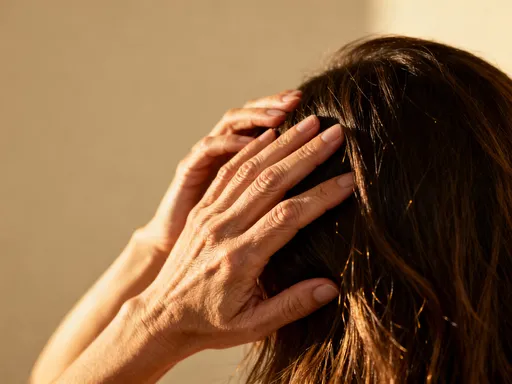
Equally important is scalp activation. The scalp is rich in blood vessels, and stimulating them can enhance nutrient delivery to follicles. A simple daily scalp massage takes only 3–5 minutes and requires no tools. Using the pads of your fingertips (not nails), apply light to moderate pressure in small circles across the entire scalp—front, sides, back, and crown. This increases circulation, reduces tension, and may help release built-up dead skin cells.
Some people add a few drops of carrier oil—like jojoba, coconut, or grapeseed—but this isn’t necessary. The massage itself is the key. Consistency matters more than duration. Doing it nightly, perhaps while watching TV or before bed, turns it into a calming ritual. Over time, many report not only less shedding but also a reduction in scalp itchiness and flakiness, signs of improved skin health.
For those with sensitive scalps, start gently and increase pressure gradually. If you experience pain or increased redness, reduce intensity. The goal is stimulation, not irritation. This routine isn’t a quick fix—it’s a long-term practice that supports the scalp’s natural ability to sustain healthy hair growth. Like brushing your teeth, it’s most effective when done regularly, not just when problems arise.
Repair-Phase Styling: Protecting While Healing
During the rehab phase, styling should prioritize protection over appearance. This means minimizing tension, friction, and heat. Tight hairstyles—ponytails, buns, braids—pull on the follicles, especially around the temples and hairline. Over time, this can lead to traction alopecia, a form of hair loss caused by constant pulling. Switching to loose styles significantly reduces this risk.
Use soft, fabric-covered hair ties instead of elastic bands with metal clasps. Avoid pulling hair back when it’s wet, as wet hair is more elastic and prone to breakage. Instead, wrap damp hair in a microfiber towel or silk scarf to absorb excess moisture without rubbing. If you must style, opt for loose buns, low twists, or simple clips that don’t tug on the roots.
Heat tools should be avoided or used sparingly. If you must use a blow dryer, set it to low heat and keep it moving—never hold it in one spot. Flat irons and curling wands should be reserved for special occasions, not daily use. Always apply a heat protectant if using heat, though the safest approach is to let hair air-dry whenever possible.
Brushing habits also need adjustment. Aggressive brushing, especially on tangled hair, causes breakage. Use a wide-tooth comb or a brush with soft, flexible bristles. Start from the ends and work upward slowly to detangle, minimizing stress on the shaft. Limit brushing to styling only—there’s no need for repetitive strokes that serve no functional purpose.
Nighttime protection is another crucial step. Cotton pillowcases create friction, leading to frizz and breakage. Silk or satin pillowcases reduce drag, helping hair glide smoothly as you sleep. Alternatively, wear a silk or satin sleep cap or wrap your hair in a scarf. These small changes may seem minor, but over weeks and months, they prevent cumulative damage and support the healing process.
Nutrition & Lifestyle: Fueling Hair from Within
External care is only half the equation. Hair growth begins inside the body, and nutritional deficiencies can directly impact strength, texture, and shedding. While no single food guarantees luscious locks, a balanced diet rich in protein, iron, zinc, and essential fatty acids supports healthy hair.
Protein is fundamental—hair is made of keratin, a type of protein. If your body lacks adequate protein, it may slow hair growth or shift more follicles into the resting phase. Include quality protein sources like eggs, lean meats, legumes, and Greek yogurt in your daily meals. Vegetarians and vegans should ensure they’re combining plant-based proteins to get all essential amino acids.
Iron deficiency is a common but often overlooked cause of hair thinning, especially in women. Iron helps red blood cells carry oxygen to tissues, including the scalp. Low iron levels—particularly ferritin, the stored form—can disrupt the hair cycle. While supplements should only be taken under medical supervision, eating iron-rich foods like spinach, lentils, and fortified cereals can help maintain healthy levels.
Hydration plays a role too. Dehydrated hair is more brittle and prone to breakage. Drinking enough water throughout the day supports overall cellular function, including that of hair follicles. Aim for consistent fluid intake, especially if you live in a dry climate or exercise regularly.
Equally important is stress management. Chronic stress triggers hormonal changes—like elevated cortisol—that can shorten the hair growth phase and increase shedding. This type of hair loss, known as telogen effluvium, often appears 2–3 months after a stressful event. While it’s usually temporary, repeated stress can prolong the cycle.
Simple lifestyle habits can make a difference. Regular physical activity, even a daily 20-minute walk, helps regulate hormones and improve circulation. Quality sleep—7–8 hours per night—supports cellular repair and hormone balance. Mindfulness practices like deep breathing, journaling, or gentle yoga can reduce stress and create mental space, indirectly benefiting hair health.
You don’t need a perfect diet or a flawless routine. But consistent, mindful choices—eating balanced meals, staying hydrated, managing stress, and sleeping well—create an internal environment where hair can thrive. Think of it as building a strong foundation so that when you implement external rehab steps, they have the best chance to succeed.
Tracking Progress & Knowing When to Seek Help
Healing takes time. Unlike skincare, where changes may be visible in days, hair growth is slow—about half an inch per month. Progress in hair rehab is often subtle: less shedding, improved shine, increased elasticity, or the appearance of fine baby hairs along the hairline. These signs matter, even if they don’t show up in a mirror immediately.
Take photos every few weeks under consistent lighting to track changes. Compare them over time. You may not notice daily differences, but a side-by-side view from month one and month three can reveal real improvement. Also, monitor how your hair feels—stronger, less tangled, more manageable. Texture changes often precede visible growth.
Be patient. Most people see meaningful results within 6–12 weeks of consistent rehab. If you’re still experiencing excessive shedding after three months, it may be time to consult a healthcare provider. Sudden or patchy hair loss, bald spots, or scalp redness and pain are not normal and should be evaluated by a dermatologist.
Some conditions, like alopecia areata, hormonal imbalances, or thyroid disorders, require medical diagnosis and treatment. Hair rehab supports general health and can improve appearance, but it is not a substitute for professional care. A doctor can run blood tests to check for deficiencies or underlying conditions and recommend appropriate therapies.
Also, be cautious of products or programs that promise rapid regrowth or ‘miracle cures.’ These often lack scientific backing and may even worsen the problem. Stick to gentle, evidence-based practices and avoid anything that sounds too good to be true.
Remember, hair rehab is not about achieving perfection. It’s about creating a sustainable routine that honors your hair’s natural cycle. It’s okay to style occasionally, to use heat for a special event, or to enjoy a tight bun now and then. The goal is balance—giving your hair the care it needs most of the time, so it can recover and grow stronger over time.
Treating hair like a system in need of rehabilitation—not just decoration—changed everything. Small, consistent actions rebuilt strength from the root up. It’s not about perfection but patience and protection. When you shift focus from looks to health, real transformation begins. Your hair deserves rehab, not just a refresh.