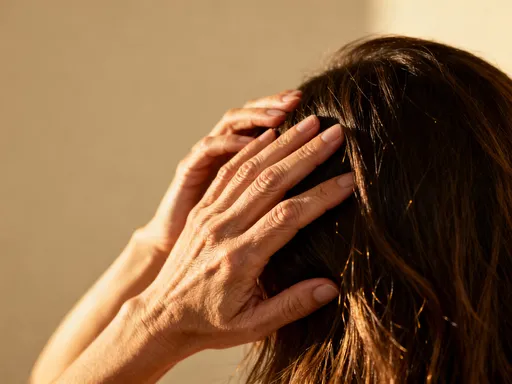
Hair Was My Canary in the Coal Mine — And It Saved Me
You might not think your hair has anything to do with your health — until it starts falling out, thinning, or changing texture for no clear reason. I didn’t either, until mine did. What felt like a beauty issue turned out to be my body’s quiet alarm. Turns out, hair changes can be early signs of deeper imbalances — and catching them early made all the difference. That shift in thickness, that sudden brittleness, wasn’t vanity. It was a message. And once I learned to listen, it led me not just to healthier hair, but to a healthier self.
The Moment I Noticed Something Was Off
It started with a brush full of hair. Not the usual few strands after a good brushing, but clumps — soft, lifeless pieces caught in the bristles every single morning. At first, I told myself it was seasonal shedding, stress from work, or maybe a change in shampoo. But the more it happened, the harder it became to ignore. My ponytail, once thick and secure, now felt loose, almost fragile. I’d catch glimpses in the mirror and wonder: when did my part widen? When did my hair lose its shine?
What unsettled me most wasn’t just the loss — it was the confusion. I wasn’t sick. I wasn’t grieving. I hadn’t had surgery or started a new medication. There was no obvious reason for this sudden change. I began checking my scalp in the bathroom light, parting my hair down the middle, searching for signs of redness or flaking. Nothing dramatic showed up, but the overall thinning was undeniable. I ran my fingers through my strands and felt how brittle they had become — snapping easily, lacking elasticity.
That’s when it hit me: this wasn’t just about appearance. This was my body speaking. I had always thought of hair as a cosmetic feature — something to style, color, or manage for photos or special occasions. But now, its deterioration felt symbolic of something deeper going wrong. I wasn’t just losing hair. I was losing vitality. The emotional weight grew heavier. I started avoiding photos. I wore hats more often, even indoors. I felt self-conscious in a way I never had before. But beneath the insecurity was a quiet, growing realization: if my hair was changing this much, something inside me must be off balance.
From Vanity to Vitality: Why Hair Reflects Inner Health
Hair is often dismissed as superficial — a matter of grooming, not health. But in truth, it’s one of the most sensitive barometers of internal well-being. Hair growth relies on a complex network of hormones, nutrients, circulation, and cellular repair. When any part of that system falters, the scalp often shows it first. Think of hair as a mirror reflecting what’s happening beneath the surface — not always immediately, but steadily over time.
The hair follicle is a metabolically active structure, meaning it requires a constant supply of energy and building blocks to function. Keratin, the primary protein in hair, is synthesized from amino acids derived from dietary protein. Without adequate intake, the body prioritizes essential organs over hair, slowing growth and weakening strands. Similarly, hormones like estrogen, progesterone, and thyroid hormones play crucial roles in regulating the hair cycle. An imbalance in any of these can push more hairs into the resting (telogen) phase, leading to increased shedding months later.
Blood flow to the scalp is another key factor. Healthy circulation delivers oxygen and nutrients to follicles, supporting robust growth. Conditions that impair circulation — such as chronic inflammation, autoimmune activity, or vascular issues — can silently affect this process. Iron deficiency, for example, reduces hemoglobin, which carries oxygen in the blood. Even mild deficiency can compromise follicle function long before anemia is diagnosed.
Then there’s stress — not just emotional, but physiological stress from poor sleep, infection, or metabolic strain. The body interprets all stress as a threat to survival. In response, it redirects resources away from non-essential systems like hair, skin, and digestion. This is why major life events — surgery, illness, or intense emotional strain — often lead to noticeable hair loss three to six months later. The body was protecting itself; hair was collateral damage.
Autoimmune conditions like alopecia areata also reveal the immune system’s role in hair health. In these cases, the immune system mistakenly attacks hair follicles, causing patchy or widespread loss. Early signs might include changes in texture, increased shedding, or scalp sensitivity — subtle clues that the immune system is overactive or misdirected.
All of this means that hair is not just a vanity project. It’s a living tissue that responds to the body’s internal environment. When it changes without explanation, it’s worth asking: what is my body trying to tell me?
What Doctors Actually Check (And What They Might Miss)
When I finally made an appointment with my primary care provider, I expected quick answers. Instead, I got a standard blood panel. They checked my thyroid-stimulating hormone (TSH), ferritin (stored iron), vitamin D, and a complete blood count. The results came back “within normal range.” But “normal” didn’t match how I felt — or how my hair looked.
This is a common experience. Standard lab ranges are designed to detect disease, not optimal function. For example, ferritin levels below 15 ng/mL are typically flagged as iron-deficient anemia, but research suggests that hair growth can be affected when ferritin drops below 50 ng/mL — a level still considered “normal” by many labs. The same applies to thyroid function: TSH between 0.4 and 4.0 mIU/L is usually deemed acceptable, but some experts believe that levels above 2.5 may already indicate subclinical hypothyroidism, especially when symptoms like fatigue, cold intolerance, and hair thinning are present.
Vitamin D is another area where subtle deficiencies can fly under the radar. Levels above 30 ng/mL are often labeled sufficient, yet studies link levels below 40 ng/mL to increased hair shedding and slower regrowth. Because these thresholds vary by lab and interpretation, mild imbalances can go unnoticed — even when they’re impacting quality of life.
Doctors may also overlook the cumulative effect of multiple borderline results. One slightly low iron, another slightly elevated TSH, a vitamin D on the lower end — none alone may trigger concern, but together they can create a perfect storm for hair changes. Without a holistic view, these signals get lost in the noise.
That’s why it’s important to advocate for yourself. If your hair is changing and standard tests come back “fine,” ask for more detailed analysis. Request full thyroid panels (including free T3, free T4, and thyroid antibodies), iron studies (ferritin, serum iron, total iron-binding capacity), and tests for inflammation markers like C-reactive protein. These provide a fuller picture and can reveal patterns that standard screens miss.
It’s also worth discussing your lifestyle, stress levels, sleep quality, and diet — factors that aren’t captured in blood work but profoundly affect hair health. A good provider will listen, not dismiss. They may refer you to a dermatologist or endocrinologist if needed. The goal isn’t to self-diagnose, but to ensure that subtle signs aren’t ignored simply because they don’t yet meet diagnostic thresholds.
The Lifestyle Clues I Ignored for Too Long
While waiting for answers, I began reflecting on my daily habits. On the surface, I considered myself healthy. I exercised regularly, avoided processed foods, and tried to eat balanced meals. But the truth was more complicated. I was chronically stressed — not from one major crisis, but from a steady drip of small pressures: work deadlines, family responsibilities, financial planning, and the constant buzz of digital notifications.
My sleep had suffered for years. I’d stay up late answering emails or scrolling through news, then struggle to fall asleep. I averaged five to six hours a night, telling myself I’d “catch up on weekends.” But sleep isn’t something the body lets you bank. Chronic sleep deprivation disrupts cortisol regulation, increases inflammation, and impairs hormone production — all of which affect hair.
Diet was another blind spot. I ate enough calories, but my protein intake was inconsistent. I’d skip breakfast, rely on salads for lunch, and only eat a proper protein source at dinner. Hair is made of protein, so this pattern likely deprived my follicles of the steady supply they needed. I also drank a lot of coffee — often three or four cups a day — which can interfere with iron absorption and exacerbate stress hormones.
Exercise, which I thought was helping, may have been adding strain. I did intense workouts four to five times a week, pushing through fatigue because I believed more was better. But over-exercising without adequate recovery can elevate cortisol and deplete nutrients, creating a catabolic state where the body breaks down tissue rather than building it. This kind of physical stress can trigger or worsen hair shedding.
None of these habits felt extreme on their own. But together, they created a background of low-grade stress — a constant drain on my body’s resources. My hair wasn’t reacting to one event. It was responding to years of imbalance. Recognizing this wasn’t about guilt or blame. It was about awareness. These weren’t flaws — they were modifiable factors. And that meant I had the power to change them.
Simple Shifts That Made a Real Difference
Instead of chasing miracle cures or expensive treatments, I focused on foundational habits. I started with protein. I made sure to include a quality source — eggs, Greek yogurt, chicken, lentils — at every meal. This wasn’t about doubling my intake, but about consistency. Hair needs a steady supply of amino acids to rebuild keratin, and spreading protein across the day supports that process more effectively than one large meal.
I also prioritized sleep. I set a bedtime alarm and created a wind-down routine: no screens after 9 p.m., dimmed lights, and ten minutes of deep breathing or gentle stretching. Within a few weeks, I was falling asleep faster and waking up feeling more rested. Sleep is when the body repairs tissues, balances hormones, and clears metabolic waste — all critical for hair regrowth.
Managing stress became a daily practice. I started with five minutes of diaphragmatic breathing each morning — slow inhales through the nose, long exhales through the mouth. This simple act activates the parasympathetic nervous system, signaling the body to relax. I also began walking in nature several times a week, leaving my phone behind. These moments of quiet helped reset my nervous system and reduce cortisol levels.
I adjusted my workouts. Instead of high-intensity sessions every day, I incorporated restorative movement: yoga, walking, light resistance training. I listened to my body instead of pushing through fatigue. Recovery became part of the routine, not an afterthought.
Scalp care improved too. I switched to a gentle, sulfate-free shampoo and started massaging my scalp for a few minutes each night. This not only removed buildup but also stimulated blood flow, delivering more oxygen and nutrients to follicles. I avoided tight hairstyles and excessive heat styling, giving my hair a chance to recover.
These changes weren’t dramatic. There were no overnight transformations. But over three to six months, I noticed differences. New growth appeared along my hairline — soft, fine hairs at first, then stronger strands. Shedding decreased. My hair felt thicker, more resilient. The changes were gradual, but they were real. More importantly, I felt better overall — more energy, better mood, fewer afternoon crashes. The benefits extended far beyond my scalp.
When to Seek Help — And Why Timing Matters
While lifestyle changes helped, I didn’t do it alone. After my initial blood work, I followed up with a dermatologist who specialized in hair loss. She reviewed my full history, examined my scalp under magnification, and ordered additional tests — including thyroid antibodies and a detailed iron panel. It turned out my ferritin was 38 ng/mL — technically “normal,” but on the lower end of optimal for hair health. My TSH was 3.1 mIU/L, which some providers would consider acceptable, but given my symptoms, it suggested early thyroid dysfunction.
She didn’t prescribe anything drastic. Instead, she recommended a high-bioavailability iron supplement, vitamin D3 with K2, and regular monitoring. She also suggested a trial of low-level laser therapy, a non-invasive treatment shown to stimulate follicle activity in some cases of thinning hair. Most importantly, she validated my experience — confirming that my concerns were not vanity, but legitimate health signals.
This experience taught me that timing matters. Addressing imbalances early — even when they’re subtle — can prevent them from progressing into more serious conditions. Hair changes are often one of the first visible signs of underlying issues like thyroid disease, nutrient deficiencies, or chronic stress. Ignoring them can allow these conditions to worsen over time.
Seeking help doesn’t mean jumping to conclusions or self-diagnosing. It means being curious, observant, and proactive. It means asking questions, getting tested, and working with professionals who take your concerns seriously. Early intervention doesn’t always require medication — sometimes it’s about adjusting diet, sleep, or stress management. But the sooner you act, the better your chances of restoring balance before deeper damage occurs.
Hair Today, Healthier Tomorrow: A Wake-Up Call Worth Heeding
Looking back, I’m grateful for the moment I noticed my hair changing. It was uncomfortable, even alarming at times. But it was also a gift — a wake-up call I might have otherwise missed. Hair is not just fiber. It’s a living record of our internal state, shaped by what we eat, how we sleep, how we manage stress, and how well we listen to our bodies.
Today, I no longer see hair as a superficial concern. It’s a vital sign — as meaningful as energy levels, digestion, or mood. When it changes, it’s worth pausing to ask why. Is it nutrition? Hormones? Stress? Sleep? The answer isn’t always obvious, but the question itself is powerful.
For many women, especially between the ages of 30 and 55, hair changes can coincide with hormonal shifts, career pressures, caregiving demands, and evolving self-image. These years bring both strength and strain. Paying attention to subtle signals — like hair texture, shedding patterns, or scalp health — isn’t indulgent. It’s an act of self-respect.
I didn’t need a dramatic diagnosis to make meaningful changes. I just needed to pay attention. By honoring what my body was telling me, I didn’t just improve my hair. I improved my energy, my sleep, my resilience. I learned to see symptoms not as enemies, but as messengers — quiet voices guiding me back to balance.
If your hair is changing, don’t dismiss it. Don’t wait for more loss or more symptoms. Start by observing, then act with kindness and curiosity. Talk to your doctor. Review your habits. Make small, sustainable shifts. Your hair may be the first to show signs of imbalance — but it can also be the first to respond to care. And in that response, there’s hope: that listening early can lead not just to fuller hair, but to a fuller, healthier life.