How I Brought My Eyes Back to Life – A Real Talk on Daily Eye Rehab
Have you ever felt your eyes burning after hours in front of a screen? I did—badly. Blurry vision, constant strain, and headaches became my normal. That’s when I realized eye health isn’t just about glasses or drops; it’s about daily care and smart rehab. This isn’t medical advice, but a real look at how small, science-backed changes made a noticeable difference. Let me walk you through what actually worked.
The Hidden Crisis: Why Modern Life Is Killing Our Eye Health
In today’s world, our eyes are under more pressure than ever before. Long hours spent staring at computer screens, smartphones, and tablets have become the norm—especially for women managing household responsibilities, remote work, or caring for children while staying connected. The human eye was not designed for this kind of sustained focus, and the consequences are showing up in alarming numbers. According to research from the American Optometric Association, over 80% of adults report using digital devices for more than two hours per day, with nearly 60% experiencing symptoms of digital eye strain.
Digital eye strain, also known as computer vision syndrome, is not a single condition but a cluster of discomforts linked to prolonged screen use. Symptoms include dryness, irritation, blurred vision, eye fatigue, headaches, and even neck or shoulder pain due to poor posture. These aren't minor inconveniences—they’re warning signs that your visual system is overworked. The problem isn’t just screen time itself, but how we engage with it: reduced blinking, poor lighting, improper screen positioning, and lack of breaks all compound the stress on our eyes.
Blue light exposure plays a significant role as well. While natural blue light from the sun helps regulate our circadian rhythm, artificial blue light from screens—especially in the evening—can disrupt sleep and contribute to eye fatigue. Unlike outdoor light, which is diffused and balanced, screen light is intense, direct, and often viewed up close for extended periods. This constant stimulation taxes the ciliary muscles responsible for focusing and can lead to accommodative spasm, where the eyes struggle to shift focus between near and far distances.
Consider a typical evening: after a full day of work or caregiving, you might relax by scrolling through social media, watching videos, or helping a child with online homework. The room may be dimly lit, increasing contrast between the bright screen and surroundings, forcing your pupils to constantly adjust. You may not even notice how little you’re blinking—normally around 15 times per minute, but dropping to as low as 5–7 during screen use. This dramatically reduces tear production, leading to dry, gritty sensations. Over time, these habits erode eye comfort and resilience, making recovery harder without intentional changes.
What Is Eye Rehabilitation? Beyond the Hype
Eye rehabilitation is not a miracle cure or a trendy wellness fad. It’s a practical, structured approach to restoring comfort, improving function, and building long-term resilience in your visual system. Think of it like physical therapy for the eyes—just as you might strengthen weak muscles or improve joint mobility through targeted exercises, eye rehab focuses on retraining the complex network of muscles, nerves, and tear glands that support clear, comfortable vision.
It’s important to clarify what eye rehab is not: it does not reverse age-related conditions like cataracts or macular degeneration, nor does it eliminate the need for corrective lenses if they are medically necessary. What it does do is address functional issues—such as eye strain, focusing difficulties, poor coordination between the eyes, and dryness—that stem from lifestyle and environmental factors. These are problems many people live with, assuming they’re just part of aging or screen dependency, when in fact they can often be improved with consistent, evidence-based practices.
Professionals such as optometrists specializing in vision therapy and occupational therapists with training in visual rehabilitation use customized programs to help patients. These programs may include eye movement exercises, focusing drills, binocular vision training, and behavioral modifications. While formal therapy is valuable for diagnosed conditions like convergence insufficiency or amblyopia, many of the principles can be adapted into daily routines for general eye health.
The core goals of eye rehab are threefold: first, to reduce strain by improving how the eyes work together and focus efficiently; second, to enhance tear film stability and prevent dryness; and third, to build awareness of visual habits that contribute to fatigue. Progress is gradual and cumulative—there’s no overnight transformation. But with regular practice, many people report noticeable improvements in clarity, comfort, and endurance, especially during screen-based tasks.
Step One: Reset Your Environment for Better Vision Support
Before diving into exercises or supplements, the most immediate and impactful change you can make is adjusting your visual environment. Your surroundings play a crucial role in how much strain your eyes experience each day. A poorly lit workspace, a screen positioned too high or too close, or glare from windows and overhead lights can turn a simple task into a visual marathon. The good news is that many of these factors are within your control and require no special equipment or expense.
Start with the basics: lighting. Working in a room that’s too dark while looking at a bright screen creates high contrast, forcing your eyes to constantly adapt. This leads to fatigue and discomfort. Aim for balanced, ambient lighting—use a desk lamp with warm, diffused light rather than relying solely on overhead fluorescents, which can cause glare and headaches. If natural light is coming from a window, position your screen perpendicular to it to avoid reflections. Consider using curtains or blinds to manage brightness, especially during midday sun.
Next, evaluate your screen setup. The top of your monitor should be at or slightly below eye level, so you’re looking slightly downward when reading. This reduces strain on the neck and allows the eyelids to partially cover the eyes, minimizing tear evaporation. The screen itself should be about an arm’s length away—roughly 20 to 28 inches from your face. If you’re leaning forward or squinting, adjust the text size or zoom level rather than moving closer.
One of the most effective tools for reducing digital eye strain is the 20-20-20 rule: every 20 minutes, look at something 20 feet away for at least 20 seconds. This simple habit gives your focusing muscles a chance to relax and reset. You can pair this with a timer or a productivity app that reminds you to take visual breaks. Additionally, consider using a matte screen filter to reduce glare, especially if you’re working in a brightly lit environment. Adjust the brightness and color temperature of your screen to match the room—many devices now offer a “night mode” that reduces blue light in the evening, which supports both eye comfort and sleep quality.
Step Two: Daily Eye Exercises That Actually Work
Just as your body benefits from movement, your eyes thrive on regular, gentle exercise. These aren’t dramatic routines or complex techniques—they’re simple, low-effort practices that support circulation, muscle flexibility, and tear production. When done consistently, they can make a meaningful difference in how your eyes feel by the end of the day.
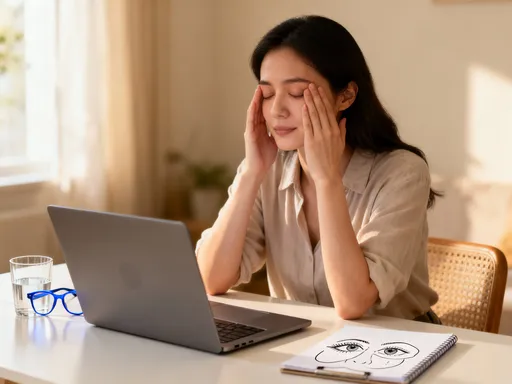
One of the most soothing exercises is palming. Sit comfortably with your elbows resting on a table. Rub your hands together to warm them, then gently cup them over your closed eyes without pressing on the eyeballs. The goal is complete darkness and relaxation. Breathe deeply and stay in this position for 1 to 3 minutes. Palming helps calm the nervous system, reduces mental strain, and increases blood flow to the eyes. Many people find it especially helpful during midday fatigue or after long screen sessions.
Another effective exercise is focus shifting. Hold your thumb about 10 inches in front of your face and focus on it for 10 to 15 seconds. Then, shift your gaze to an object across the room—something 10 to 20 feet away—and focus on it for another 10 to 15 seconds. Repeat this cycle 5 to 10 times. This trains your ciliary muscles to flex and relax, improving your ability to transition between near and far vision. It’s particularly useful for counteracting the “stuck” feeling many experience after hours of close-up work.
Eye rolling and figure-eight movements also promote fluid motion and reduce stiffness. Slowly roll your eyes in a full circle clockwise, then counterclockwise—do this 3 to 5 times in each direction. Then, imagine a giant figure eight on its side (infinity symbol) about 10 feet in front of you and trace it with your gaze. These movements help maintain smooth pursuit and saccadic eye movements, which are essential for reading and tracking motion. Finish with a gentle eyelid massage: using clean fingertips, apply light pressure and massage the upper and lower lids in small circular motions for 30 seconds. This stimulates the meibomian glands, which produce the oily layer of tears that prevents evaporation.
Consistency matters more than intensity. A five-minute routine in the morning and another at night can be more effective than a single long session once a week. The key is to make it part of your daily rhythm—like brushing your teeth or applying moisturizer. Over time, these small actions build resilience and reduce the cumulative toll of visual stress.
Step Three: Lifestyle Tweaks That Multiply Results
Eye health doesn’t exist in isolation—it’s deeply connected to your overall well-being. What you eat, how well you sleep, and how hydrated you are all influence the quality of your vision and the comfort of your eyes. Making thoughtful lifestyle adjustments can amplify the benefits of environmental changes and eye exercises, creating a holistic support system for your visual health.
Nutrition plays a foundational role. Omega-3 fatty acids, found in fatty fish like salmon, flaxseeds, and walnuts, are essential for maintaining the tear film and reducing inflammation associated with dry eye. Studies published in the journal Cornea have shown that regular omega-3 supplementation can significantly improve symptoms of dryness and irritation. Vitamins A and E are also vital: vitamin A supports the cornea and low-light vision, while vitamin E acts as an antioxidant, protecting eye tissues from oxidative stress. Leafy greens like spinach and kale, carrots, sweet potatoes, and nuts are excellent natural sources.
Hydration is equally important. The eyes rely on a steady supply of moisture, and even mild dehydration can lead to dryness, burning, and blurred vision. Aim to drink water consistently throughout the day—don’t wait until you’re thirsty. Herbal teas and water-rich foods like cucumbers, oranges, and celery can also contribute to fluid balance. Limit excessive caffeine and alcohol, as both can dehydrate the body and worsen dry eye symptoms.
Sleep is another pillar of eye recovery. During deep sleep, the eyes are replenished with oxygen and nutrients, and the visual system undergoes repair and reset. Poor sleep quality or insufficient rest can leave your eyes feeling heavy, dry, and unfocused the next day. Establish a calming bedtime routine: dim the lights, avoid screens for at least an hour before bed, and consider using a warm compress on your eyes to relax the muscles and improve oil gland function.
Finally, integrate eye care into existing habits. Pair your eye exercises with your morning coffee, do a quick focus shift after every bathroom break, or use your daily walk to practice distant gazing. The more you anchor these practices to familiar routines, the more likely you are to stick with them. Small, sustainable changes often yield the most lasting results.
When to Seek Professional Help: Know the Red Flags
While self-care strategies can greatly improve comfort and function, they are not a substitute for professional medical evaluation. There are certain symptoms that should never be ignored, as they may indicate underlying conditions that require diagnosis and treatment by an eye care specialist.
Be alert to sudden changes in vision—such as double vision, blind spots, or a curtain-like shadow over your field of view. These could be signs of serious issues like retinal detachment, glaucoma, or neurological conditions, all of which require immediate attention. Persistent eye pain, especially when accompanied by redness or light sensitivity, should also prompt a visit to an optometrist or ophthalmologist. Similarly, if you experience frequent headaches that seem linked to visual tasks, it may indicate uncorrected refractive errors or binocular vision problems that glasses alone may not resolve.
Chronic dry eye that doesn’t improve with lifestyle changes or over-the-counter drops may need targeted treatment. An eye doctor can assess the quality of your tear film, check for inflammation, and recommend prescription drops, punctal plugs, or in-office therapies if needed. Regular comprehensive eye exams—at least every one to two years, or more often if you have risk factors like diabetes or high blood pressure—are essential for early detection of conditions that may not have obvious symptoms in their early stages.
Think of your eye care provider as a partner in your health journey. Be honest about your screen habits, symptoms, and concerns. Many professionals now offer guidance on digital wellness and can tailor recommendations to your lifestyle. Remember, self-rehabilitation works best when it’s part of a broader, informed approach that includes expert input when necessary.
Building a Sustainable Routine: Making Eye Care Stick
Like any form of self-care, the real challenge isn’t knowing what to do—it’s doing it consistently. The most effective eye rehab plan is the one you can maintain over time, not the one that feels overwhelming or unrealistic. The goal isn’t perfection, but progress through small, manageable steps.
Start by choosing one or two practices to focus on—perhaps the 20-20-20 rule and a five-minute evening palming session. Use reminders: set an alarm on your phone, place a sticky note on your monitor, or link the habit to an existing routine like lunchtime or bedtime. Track your progress in a journal—not with numbers, but with how your eyes feel. Note moments of clarity, reduced strain, or improved comfort. These subtle shifts are powerful motivators.
Over time, you may find that eye care becomes less of a chore and more of a ritual—a quiet moment of pause in a busy day. For me, the changes didn’t happen overnight. It took about three weeks of daily practice before I noticed fewer headaches and less need to squint at my screen. After two months, my eyes felt more resilient, even during long work sessions. I blinked more naturally, slept better, and felt more present.
The mindset shift was just as important as the physical changes. I began to see eye care not as an extra task, but as an act of self-respect. My eyes do so much for me—connecting me to my family, helping me manage responsibilities, allowing me to enjoy the beauty around me. Giving them a few minutes of attention each day is a small price to pay for that gift.
If you’re reading this and feeling the familiar ache behind your eyes, know that you’re not alone—and you don’t have to accept discomfort as normal. You don’t need expensive gadgets or drastic changes. You just need to start. Pick one thing today. Do it tomorrow. Keep going. Your vision is worth the effort.
Eye rehabilitation isn’t a quick fix—it’s a quiet commitment to seeing better, feeling better, and protecting one of your most vital senses. The journey isn’t dramatic, but the results are real. By combining smart habits, informed choices, and professional guidance, anyone can build stronger, more resilient vision. Your eyes do endless work for you; give them the daily care they truly deserve.